Solving Cap Warpage: A Systematic Approach from Shuanghao
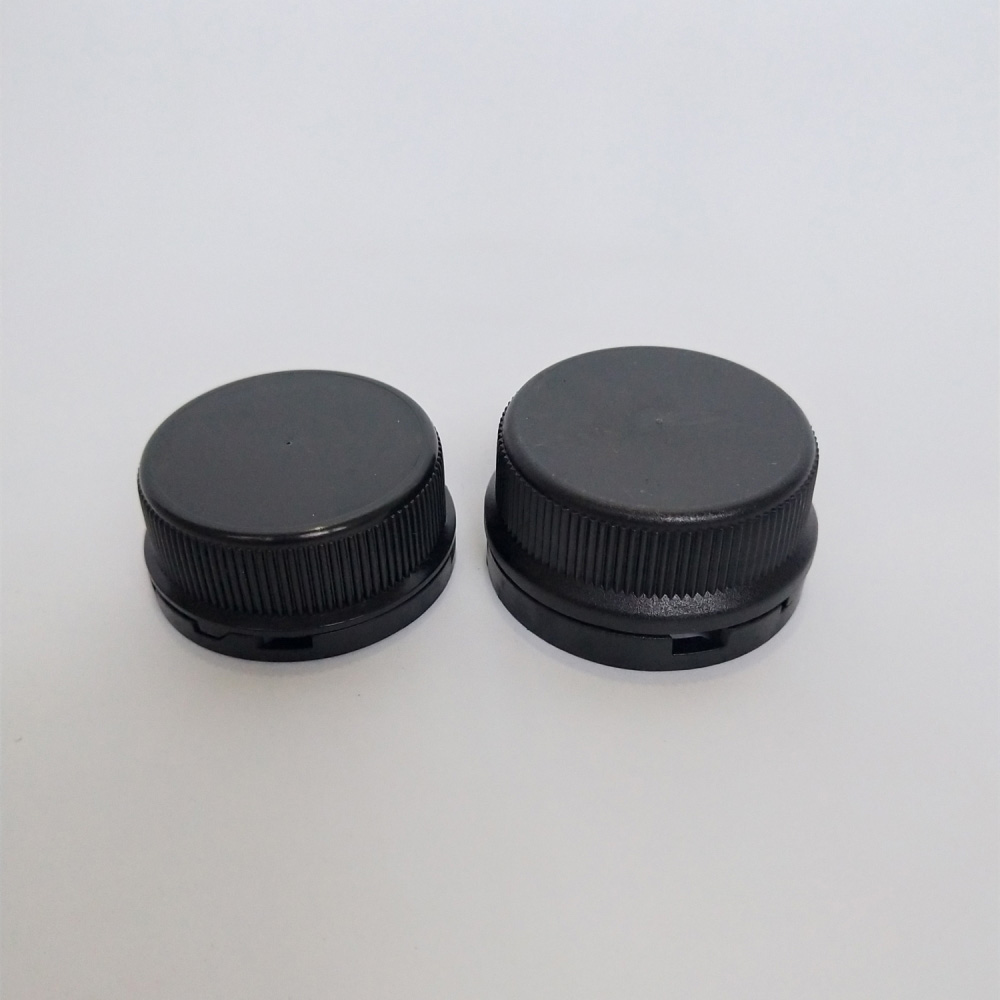
A warped bottle cap is a cap that does not seal. It does not fit the bottle neck properly. It does not apply correct torque. It does not satisfy consumers. It is, for all practical purposes, a defective cap.
Warpage is one of the most common and frustrating defects in cap molding. It can appear as a cap that rocks on a flat surface. As a cap with an elliptical rather than round shape. As a cap with a concave or convex top panel. As a cap whose tamper-evident band is deformed.
The causes of warpage are many and often interconnected. Uneven cooling. Non-uniform shrinkage. Ejection stress. Poor part design. Improper processing.
At Shuanghao, we have developed a systematic approach to diagnosing and solving cap warpage. This article presents our methodology for producing flat, dimensionally stable caps.
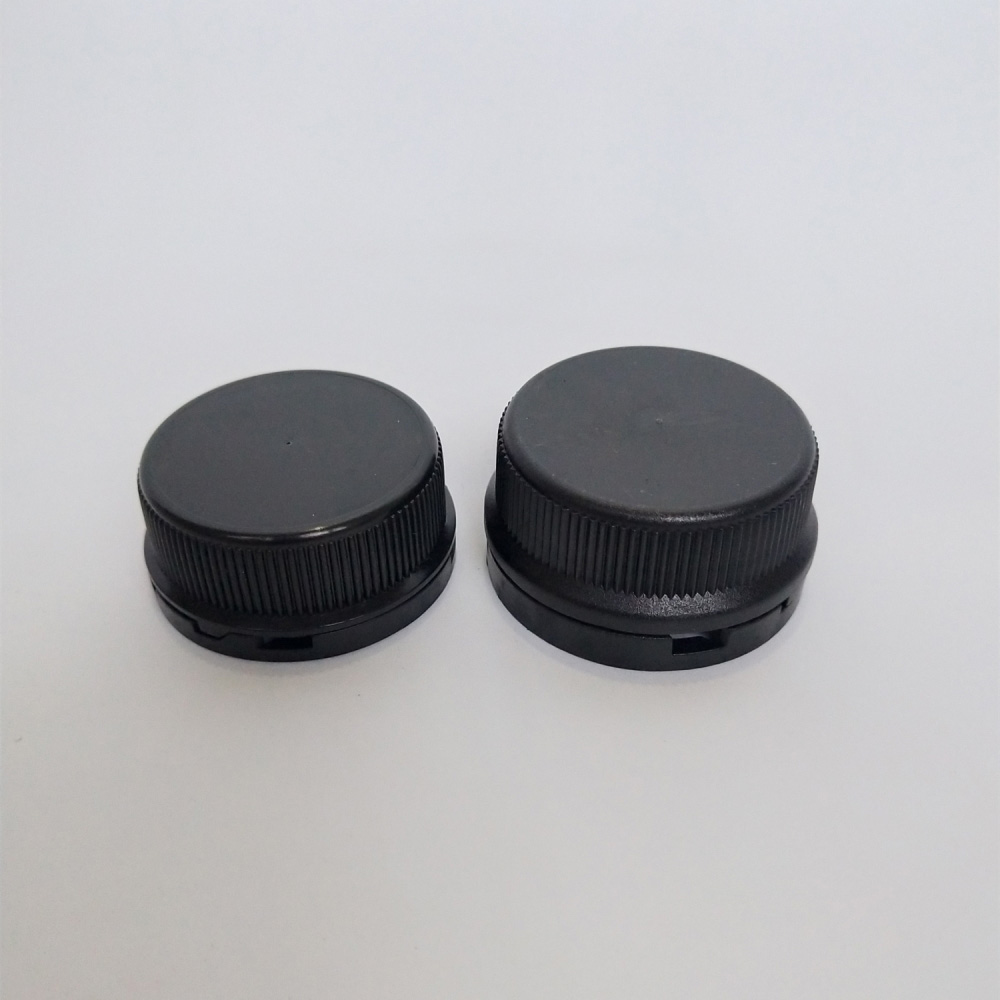
Understanding Warpage
Before discussing solutions, it is essential to understand what warpage is and why it occurs.
The Physics of Warpage
Warpage occurs when different areas of the cap shrink at different rates. As the cap cools from melt temperature to room temperature, it contracts. If all areas contract equally, the cap remains flat and round. If some areas contract more than others, the cap distorts.
Shrinkage variation can be caused by non-uniform cooling, non-uniform wall thickness, molecular orientation, residual stress, and ejection deformation.
The most common warpage defects include a rocking cap where the bottom sealing surface is not flat, an elliptical cap where the cap is out-of-round, a dished top panel where the top is concave or convex, and a twisted TE band where the tamper-evident band is deformed.
Step 1: Identify the Warpage Pattern
The first step in solving warpage is identifying exactly how the cap is distorted. Different patterns indicate different root causes.
Rocking Cap (Non-Flat Bottom)
A cap that rocks on a flat surface indicates uneven sealing surface. The root cause may be uneven cooling where one side of the cap cools faster than the other, or non-uniform wall thickness where thicker sections shrink more than thinner sections, or ejection damage where ejector pins push unevenly.
Elliptical Cap (Out-of-Round)
A cap that is elliptical rather than round indicates anisotropic shrinkage. The root cause may be flow orientation causing different shrinkage in flow direction vs. cross-flow direction, uneven cooling with hot spots on one axis, or insufficient cooling time allowing post-mold distortion.
Dished Top Panel
A concave or convex top panel indicates differential shrinkage between top panel and sidewall. The root cause may be packing pressure too high or too low, insufficient cooling time, or gate location causing non-uniform fill.
Twisted TE Band
A twisted or deformed tamper-evident band indicates ejection stress or cooling imbalance. The root cause may be uneven ejection force, insufficient cooling before ejection, or core misalignment.
Step 2: Analyze Cooling Uniformity
Cooling uniformity is the most common cause of warpage. Even minor temperature differences across the mold can produce significant distortion.
Checking Cooling Uniformity
Shuanghao recommends using an infrared camera to measure mold surface temperature after steady-state operation. Temperature variation across the mold should be less than 5 degrees Celsius.
Inspect cooling circuit connections to verify all circuits are connected and flowing. Feel return line temperatures—consistent temperatures indicate balanced flow. Measure flow rates at each circuit—variation indicates blockages or restrictions.
Cooling Solutions for Warpage
If temperature variation is found, several solutions are available.
Add cooling channels to hot areas. Baffles or bubblers can provide cooling to blind areas. Conformal cooling inserts can provide cooling directly behind cavity surfaces.
Balance flow rates across circuits. Series circuits may need conversion to parallel. Orifice adjustments can balance flow.
Increase cooling time to allow complete solidification before ejection.
Step 3: Evaluate Ejection System
Ejection stress can warp caps, especially thin-walled or still-warm caps.
Signs of Ejection-Related Warpage
Warpage that is worse on the ejector pin side of the cap. Visible ejector pin marks on sealing surfaces. Caps that stick on one side during ejection.
Ejection Solutions for Warpage
If ejection stress is causing warpage, consider these solutions.
Add more ejector pins to distribute force evenly. Increase pin diameter to reduce stress concentration. Position pins symmetrically around the cap. Switch to sleeve ejectors for even force distribution.
Increase cooling time so caps are more rigid before ejection. Reduce ejection speed to apply force gradually. Add air ejection to break vacuum before mechanical ejection.
Step 4: Optimize Processing Parameters
Processing parameters significantly affect warpage.
Melt Temperature
Higher melt temperature increases total shrinkage and may increase warpage. Lower melt temperature reduces shrinkage but may cause filling problems. Shuanghao recommends melt temperatures at the lower end of the supplier's range for warpage-prone caps.
Mold Temperature
Higher mold temperature reduces residual stress but may increase cycle time. Lower mold temperature increases residual stress but reduces cycle time. Shuanghao recommends uniform mold temperature across all zones. Imbalanced mold temperature is a common cause of warpage.
Packing Pressure
Excessive packing pressure increases residual stress. Insufficient packing pressure allows sink marks. Shuanghao recommends the minimum packing pressure that prevents sink marks.
Cooling Time
Premature ejection is a major cause of warpage. Sufficient cooling time allows complete solidification. Shuanghao recommends adding 10 to 20 percent to calculated cooling time for warpage-prone caps.
Step 5: Review Part Design
Sometimes warpage is designed into the part.
Design-Related Warpage Causes
Non-uniform wall thickness: thick sections shrink more than thin sections. Sharp corners: stress concentration causes distortion. Inadequate ribbing: insufficient stiffness allows warpage. Asymmetric geometry: unbalanced shrinkage.
Design Solutions for Warpage
If the part design is causing warpage, consider these modifications.
Add ribs to increase stiffness without adding thickness. Smooth transitions between thick and thin sections. Balance geometry wherever possible. Add anti-warpage features such as rings or gussets.
Step 6: Consider Material Changes
Material choice affects warpage susceptibility.
Material Properties and Warpage
Higher shrinkage materials are more prone to warpage. Crystalline materials (PP, HDPE) shrink more than amorphous materials. Filled materials shrink less than unfilled. Higher melt flow materials may have different shrinkage characteristics.
Material Solutions for Warpage
If the material is contributing to warpage, consider these options.
Switch to a lower shrinkage material grade. Add nucleating agents to promote uniform crystallization. Use filled material for greater dimensional stability. Verify material is properly dried before processing.
Root Cause Summary Table
| Warpage Pattern | Primary Root Cause | Secondary Causes |
|---|---|---|
| Rocking (non-flat bottom) | Uneven cooling | Non-uniform wall thickness, ejection damage |
| Elliptical (out-of-round) | Anisotropic shrinkage | Uneven cooling, insufficient cooling time |
| Dished top panel | Packing pressure | Gate location, cooling time |
| Twisted TE band | Ejection stress | Insufficient cooling, core misalignment |
Step 7: Implement Corrective Actions
Once root cause is identified, implement corrective actions systematically.
Cooling-Related Warpage
Install conformal cooling inserts to provide uniform cooling. Add baffles or bubblers to hot areas. Balance cooling circuit flow rates. Increase cooling time by 10 to 20 percent.
Ejection-Related Warpage
Add ejector pins or increase pin diameter. Switch to sleeve ejectors. Add air ejection. Increase cooling time before ejection.
Processing-Related Warpage
Reduce melt temperature to lower end of range. Balance mold temperatures across all zones. Reduce packing pressure to minimum required. Add 10 to 20 percent to cooling time.
Design-Related Warpage
Add ribs to increase stiffness. Smooth transitions between thick and thin sections. Balance asymmetric geometry.
Material-Related Warpage
Switch to lower shrinkage grade. Add nucleating agents. Use filled material for stability.
Step 8: Verify Improvement
After implementing corrective actions, verify that warpage has been eliminated.
Measurement Methods
Place caps on a flat surface and check for rocking. Measure diameter at multiple angles using calipers. Check for out-of-roundness. Measure top panel flatness using a straightedge or dial indicator.
Documentation
Record before and after warpage measurements. Document corrective actions implemented. Update process parameters for future reference. Share findings with production team.
Real-World Results: Shuanghao Warpage Solutions
Customer Case: Rocking Water Bottle Cap
A water bottle cap manufacturer had caps that rocked on flat surfaces. The sealing surface was not flat, causing occasional leakage.
Shuanghao diagnosed uneven cooling as the root cause. Temperature mapping showed one side of the mold was 8 degrees Celsius hotter than the opposite side. Cooling channels were modified to balance flow. Conformal cooling inserts were added to hot areas.
Temperature variation was reduced to 2 degrees Celsius. Caps were flat with no rocking. Leakage complaints dropped by 90 percent.
Customer Case: Elliptical Pharmaceutical Cap
A pharmaceutical cap required roundness within 0.10 millimeters. Production caps were measuring 0.25 to 0.35 millimeters out-of-round.
Shuanghao diagnosed anisotropic shrinkage as the root cause. Flow orientation was causing different shrinkage in different directions. Gate location was modified to create more uniform flow. Cooling was balanced around the circumference.
Out-of-roundness was reduced to 0.08 millimeters, exceeding requirements.
The Shuanghao Warpage Resolution Advantage
Shuanghao's systematic approach to warpage resolution provides pattern identification linking warpage type to root cause. Cooling analysis using infrared temperature mapping and flow rate measurement. Ejection evaluation including force distribution and timing optimization. Process adjustment for melt temperature, mold temperature, packing, and cooling. Design review for wall thickness, ribs, and geometry. Material guidance for lower shrinkage and filled grades. Verification through before-and-after measurement and documentation.
Conclusion: Flat Caps Are Achievable
Warpage is not inevitable. With systematic diagnosis and targeted corrective actions, even severe warpage can be eliminated.
Shuanghao's systematic approach to cap warpage resolution delivers root cause identification through pattern analysis and testing. Cooling optimization with conformal channels, balanced flow, and adequate timing. Ejection improvements with additional pins, sleeve ejectors, and air assist. Process adjustments for temperature, pressure, and cooling time. Design modifications for uniform wall thickness and stiffness. Material selection for dimensional stability.
Whether your caps rock, are out-of-round, have dished tops, or twisted TE bands, Shuanghao has the expertise to diagnose and solve warpage.
Choose Shuanghao. Choose flat caps. Choose dimensional stability.