How to Choose a Reliable High-Cavity Cap Mold Manufacturer: Technical Capabilities to Evaluate
How to Choose a Reliable High-Cavity Cap Mold Manufacturer: Technical Capabilities to Evaluate
Published by cap-molds — Global Authority in High-Cavitation Closure Tooling & Injection Molding Engineering Solutions
Introduction: Strategic Supplier Selection for High-Volume Closure Production
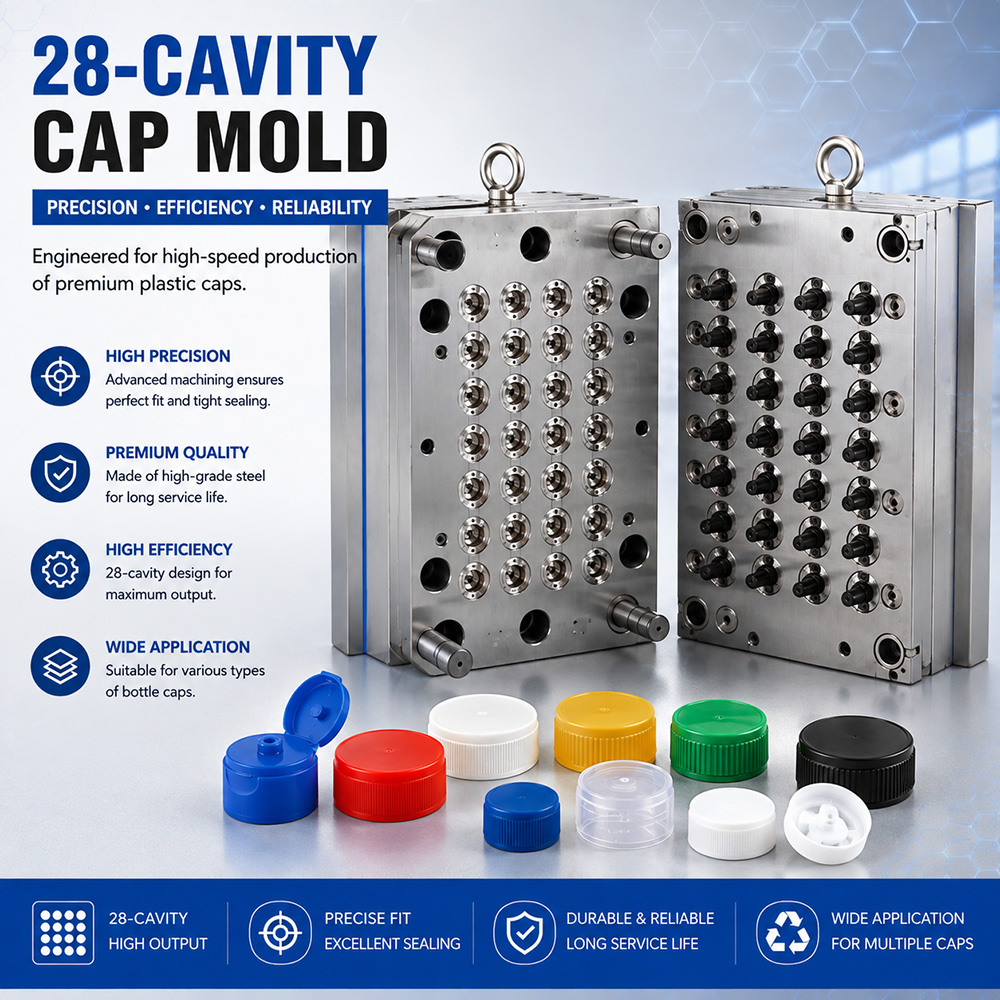
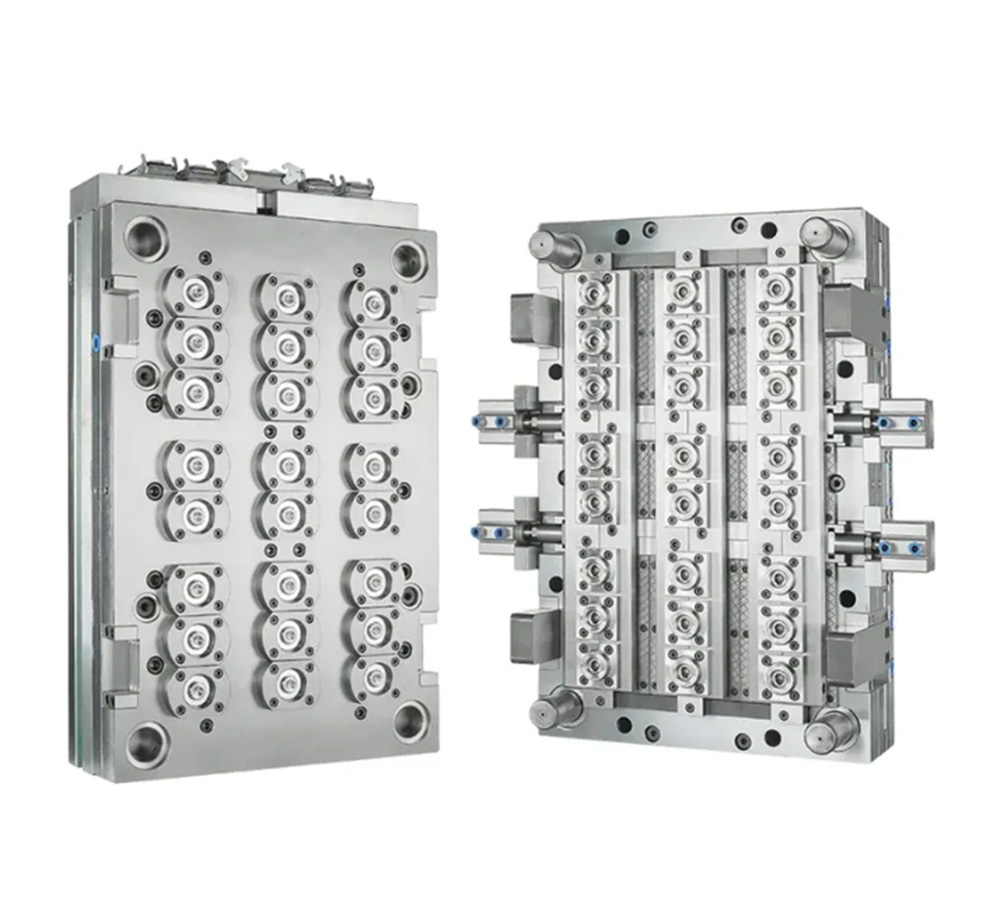
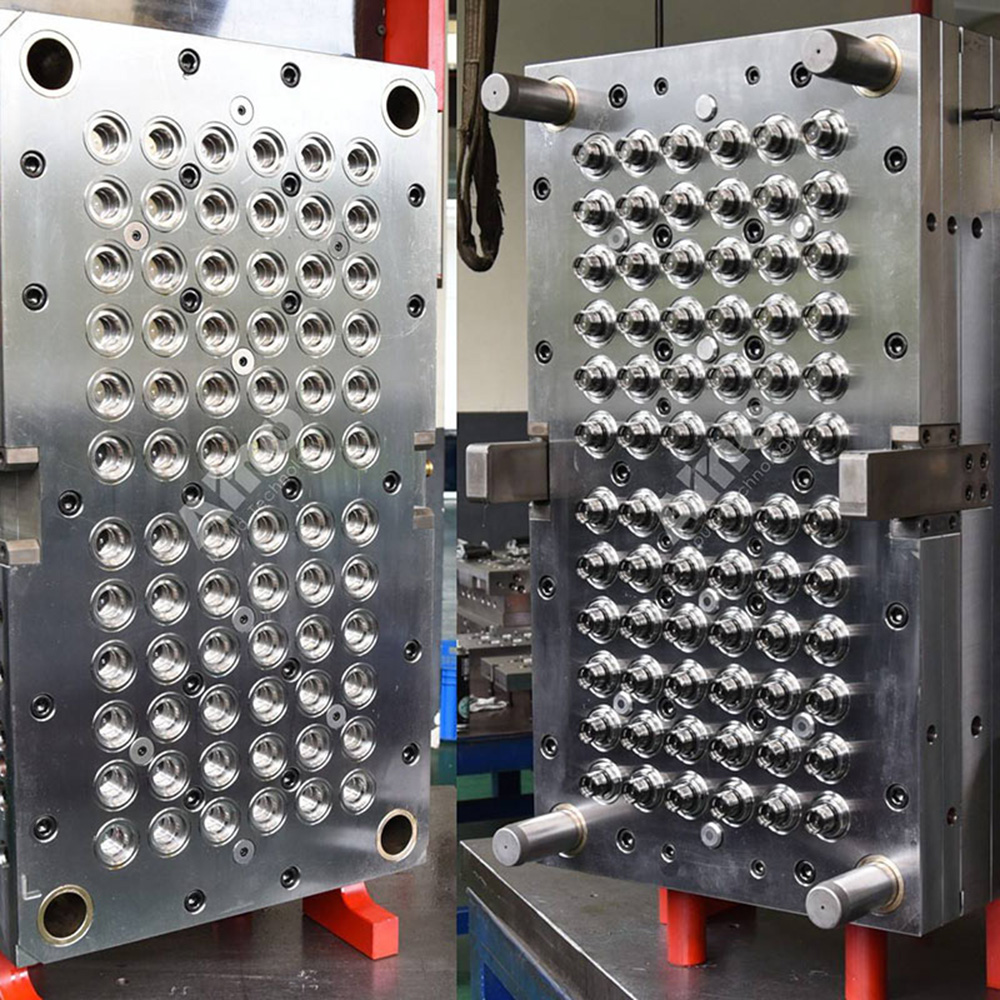
In high-speed beverage, pharmaceutical, and consumer packaging manufacturing, selecting a high-cavity cap mold supplier is a critical strategic decision that governs long-term operational profitability. Running a 32, 48, 64, or 96-cavity closure mold demands sub-micron machining tolerances, perfectly balanced melt delivery, and robust thermal management to sustain continuous high-frequency output.
Substandard cap tooling often leads to severe operational bottlenecks, including cavity-to-cavity weight variation, flash formation, thread distortion, and prolonged cycle times. As a specialized China bottle cap mold manufacturer, cap-molds presents this engineering evaluation framework to assist technical directors, procurement heads, and packaging engineers in auditing supplier capabilities before committing capital investment.
1. Tool Steel Metallurgical Standards & Heat Treatment Integrity
High-cavitation cap molds endure millions of continuous high-speed dry cycles and aggressive clamping tonnages annually. To guarantee an operational tool lifespan exceeding 5 million to 8 million cycles, manufacturers must strictly utilize certified premium tool steels matched to specific mold components.
- Core & Cavity Stacks: High-grade corrosion-resistant stainless steels such as ASSAB S136, Stavax ESR, or Bohler M310 (hardened to HRC 52–56) are required to resist chemical wear from resins and post-consumer recycled (PCR) blends.
- Mold Base Structure: Heavy-duty mold plates constructed from forged P20, 1.2311, or 1.2312 prevent plate flexure under elevated clamping pressures.
- High-Thermal Alloys: Integration of Beryllium Copper (BeCu) or Ampcoloy at core tips and gate inserts ensures rapid heat evacuation from complex thread zones where conventional cooling channels cannot reach.
2. Advanced Hot Runner Systems & Rheological Balance
Achieving uniform filling across a 64-cavity or 96-cavity closure mold requires perfect rheological and thermal balance within the hot runner manifold system. Unbalanced melt distribution creates gate vestige defects, dimensional inconsistencies, and sealing failures.
| Technical Evaluation Metric | Standard Tooling Benchmark | cap-molds Precision Engineering Standard |
|---|---|---|
| Manifold Channel Geometry | Standard branched flow channels | Naturally balanced multi-level geometrically symmetric flow channels with equal shear history |
| Gate Actuation Control | Open thermal sprue gates | Individual air-actuated needle valve gate system for zero vestige and precise gate shut-off |
| Thermal Control Precision | Grouped heating zones | Independent PID closed-loop temperature control for each nozzle drop (±0.5°C tolerance) |
3. Conformal Cooling Design & Cycle Time Optimization
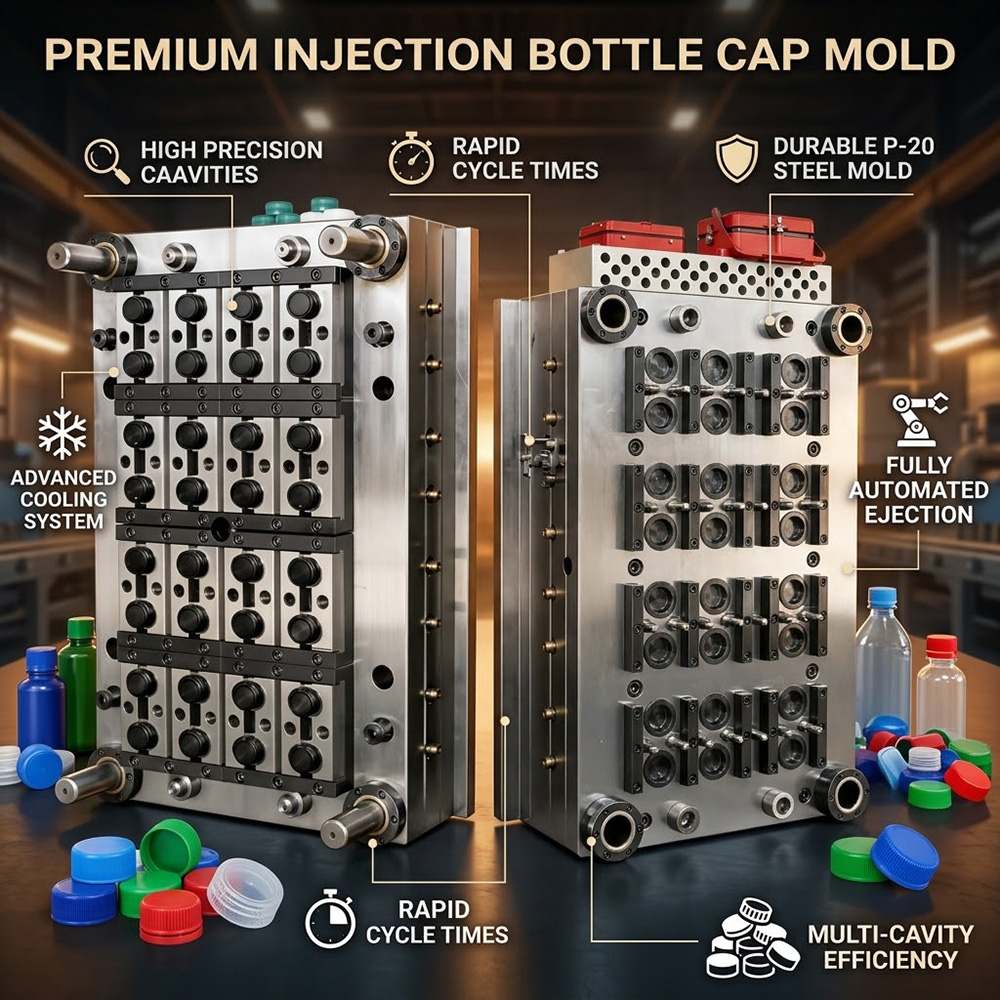
Cooling represents over 60% of the entire injection molding cycle time. Standard straight-drilled cooling channels leave thermal hot spots around internal sealing lips, tamper-evident bands, and deep thread profiles, leading to part warpage and extended cooling delays.
Industry-leading toolmakers like cap-molds employ 3D Direct Metal Laser Sintering (DMLS) to fabricate conformal cooling channels inside core and cavity inserts. Following the exact 3D geometry of the closure, conformal cooling maintains turbulent water flow within 2mm to 3mm of the molding surface. This reduces overall cycle times by 15% to 30% while maintaining flawless cap ovality and seal integrity.
4. Precision Machining, DFM, and Component Interchangeability
Before cutting steel, a thorough Design for Manufacturability (DFM) phase must be performed. Evaluate whether the manufacturer provides comprehensive Moldflow dynamic simulations covering fill front behavior, air traps, weld line positioning, volumetric shrinkage, and packing pressure distribution.
Equally vital is component interchangeability. cap-molds utilizes high-speed CNC milling, optical CMM verification, and precision coordinate grinding to manufacture cavity and core stack inserts within a tight ±0.003mm tolerance. This guarantees complete plug-and-play interchangeability, enabling maintenance personnel to replace individual stack components directly on the injection machine without manual fitting or downtime.
5. Factory Testing, In-Mold Automation, and Quality Audits
A reliable cap mold manufacturer operates dedicated testing cells fitted with high-speed automated take-out robotics and multi-camera optical vision inspection systems. Prior to shipment, the tool must undergo extended continuous dry runs and full-speed production trials under actual factory operating conditions using client-specified HDPE or PP resins.
- Dimensional Verification: Complete dimensional checks covering bore seal dimensions, thread pitch, wall thickness, and tamper-evident bridge retention.
- Pressure & Vacuum Integrity Testing: Hydrostatic pressure decay and vacuum leak testing across all mold cavities to verify sealing efficiency.
- Automation Synchronization: Seamless integration testing with high-speed robotic end-of-arm tooling (EOAT) and vision inspection systems.
Why Partner with cap-molds for Closure Tooling Solutions
At cap-molds, we integrate decades of high-precision closure mold engineering with certified European tool steels, advanced valve gate hot runner technology, and stringent quality assurance. Whether you are developing a new lightweight CSD tethered closure, water bottle cap, or scaling up to a 96-cavity automated production line, our technical experts deliver robust, high-speed mold solutions engineered for maximum ROI.